

Durable Construction Fasteners Guide: Your Ultimate Resource
When it comes to building strong, lasting structures, the right fasteners make all the difference. We’ve seen firsthand how choosing durable, reliable fasteners can save time, money, and headaches on any project. Whether you’re assembling heavy machinery, securing steel frameworks, or working on defense-grade equipment, the quality of your fasteners matters.
In this guide, we’ll walk you through everything you need to know about construction fasteners. From types and materials to industry standards and practical tips, you’ll get a clear picture of what works best for your needs. Let’s dive in!
Understanding the Construction Fasteners Guide: Types and Uses
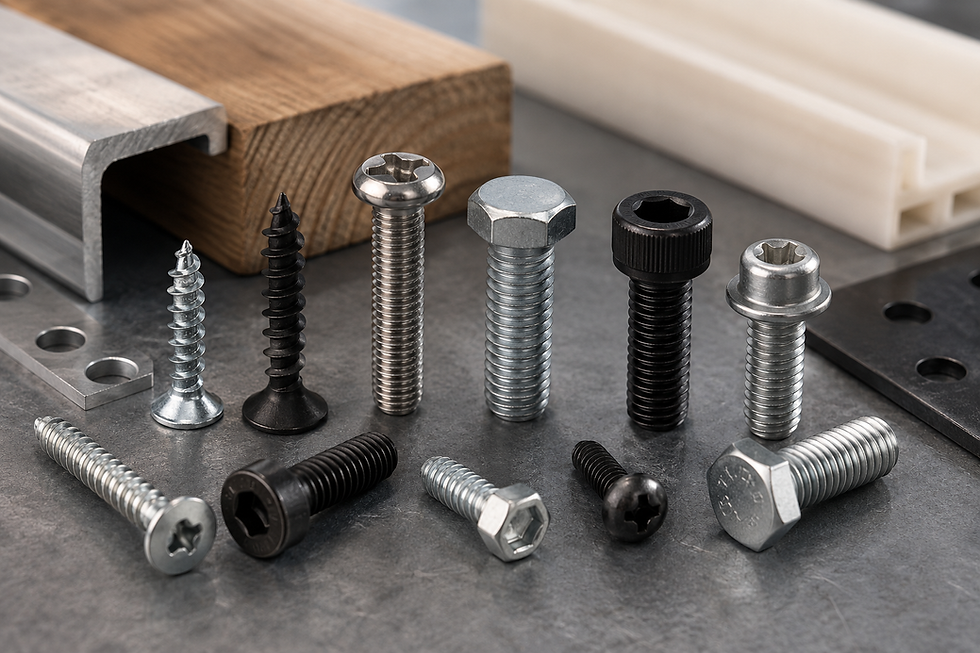
Fasteners come in many shapes and sizes, each designed for specific tasks. Knowing which type to use can improve your project’s durability and safety.
Bolts and Nuts: These are the backbone of heavy-duty assembly. Bolts provide strong clamping force, and nuts secure them in place. Use high-grade steel bolts for structural steel or machinery.
Screws: Ideal for wood, metal, and composite materials. Self-tapping screws save time by drilling their own hole.
Nails: Quick and effective for framing and light construction. Choose galvanized nails for outdoor use to prevent rust.
Rivets: Permanent fasteners used in metalwork and aerospace. They provide strong shear strength.
Anchors: Used to secure fasteners into concrete or masonry. Expansion anchors and sleeve anchors are common choices.
Each fastener type has its strengths. For example, bolts excel in tension applications, while nails are better for shear loads. Selecting the right fastener depends on the materials involved and the forces they will face.

Why Durability Matters in Construction Fasteners Guide
Durability is not just a buzzword—it’s a necessity. Fasteners face harsh conditions: heavy loads, vibrations, moisture, and temperature changes. Using subpar fasteners can lead to failures, costly repairs, and safety risks.
Here’s why durability should be your top priority:
Corrosion Resistance: Fasteners exposed to weather or chemicals must resist rust. Stainless steel and coated fasteners are excellent choices.
Strength and Toughness: High tensile strength fasteners withstand heavy loads without deforming or breaking.
Fatigue Resistance: In applications with repeated stress, fasteners must endure cycles without cracking.
Compatibility: Fasteners should match the materials they join to avoid galvanic corrosion.
For industrial and defense applications, durability means reliability under extreme conditions. We always recommend sourcing fasteners from trusted suppliers who test their products rigorously.
What are the building code requirements for fasteners?
Building codes set minimum standards to ensure safety and performance. Understanding these requirements helps you stay compliant and avoid costly rework.
Material Specifications: Codes often specify acceptable materials, such as ASTM standards for steel fasteners.
Load Ratings: Fasteners must meet minimum tensile and shear strength values.
Corrosion Protection: Codes may require galvanized or stainless steel fasteners in certain environments.
Installation Practices: Proper torque, spacing, and depth are usually mandated.
For example, the International Building Code (IBC) outlines fastener requirements for wood framing, steel connections, and masonry anchoring. Always check local codes and project specifications before selecting fasteners.

How to Choose the Right Fasteners for Your Project
Choosing the right fasteners is a strategic decision. Here’s a simple process we follow to make sure we get it right every time:
Identify the Materials: What are you fastening? Wood, steel, concrete? Each material demands specific fastener types.
Determine Load Requirements: Understand the forces involved—tension, shear, or both.
Consider Environmental Factors: Will the fasteners be exposed to moisture, chemicals, or extreme temperatures?
Check Compliance: Review applicable building codes and industry standards.
Select Material and Coating: Stainless steel for corrosion resistance, zinc plating for moderate protection, or specialty coatings for harsh environments.
Choose the Correct Size and Length: Fasteners must penetrate sufficiently to hold securely without damaging materials.
Source from Reliable Suppliers: Quality matters. We trust suppliers who provide certifications and traceability.
By following these steps, you ensure your fasteners perform well and last long. Remember, investing in quality fasteners upfront saves you from costly repairs later.
Where to Find Reliable Fasteners for Construction
Finding a dependable supplier is crucial. You want fasteners that meet specs, arrive on time, and come with technical support.
Main Source Distribution is the go-to supplier for industrial hardware in New England. We specialize in durable, sustainable, and efficient products. Our inventory covers everything from heavy-duty bolts to specialty anchors. Plus, we help customers adapt to new technologies and grow their market presence.
If you’re looking for fasteners for construction, we offer expert advice and quick delivery. Partnering with a trusted distributor ensures you get the right products for your projects every time.
Tips for Proper Installation and Maintenance of Fasteners
Even the best fasteners can fail if installed or maintained poorly. Here are some practical tips we always follow:
Use the Right Tools: Torque wrenches, impact drivers, and calibrated screwdrivers ensure proper tightness.
Follow Manufacturer Guidelines: Installation instructions often include torque specs and sequence.
Avoid Over-Tightening: This can strip threads or weaken fasteners.
Inspect Regularly: Check for corrosion, loosening, or damage, especially in critical applications.
Replace Damaged Fasteners Immediately: Don’t risk structural integrity by leaving compromised fasteners in place.
Store Fasteners Properly: Keep them dry and organized to prevent rust and loss.
Proper installation and maintenance extend the life of your fasteners and the structures they hold together.
Durable fasteners are the unsung heroes of construction. They hold everything together, literally. By understanding types, durability factors, code requirements, and sourcing options, you can make smart choices that boost your project’s success. Remember, quality fasteners from trusted suppliers like Main Source Distribution make all the difference. Get the right fasteners, install them correctly, and watch your structures stand the test of time!


Comments