

How to Choose the Right Screw for Your Project
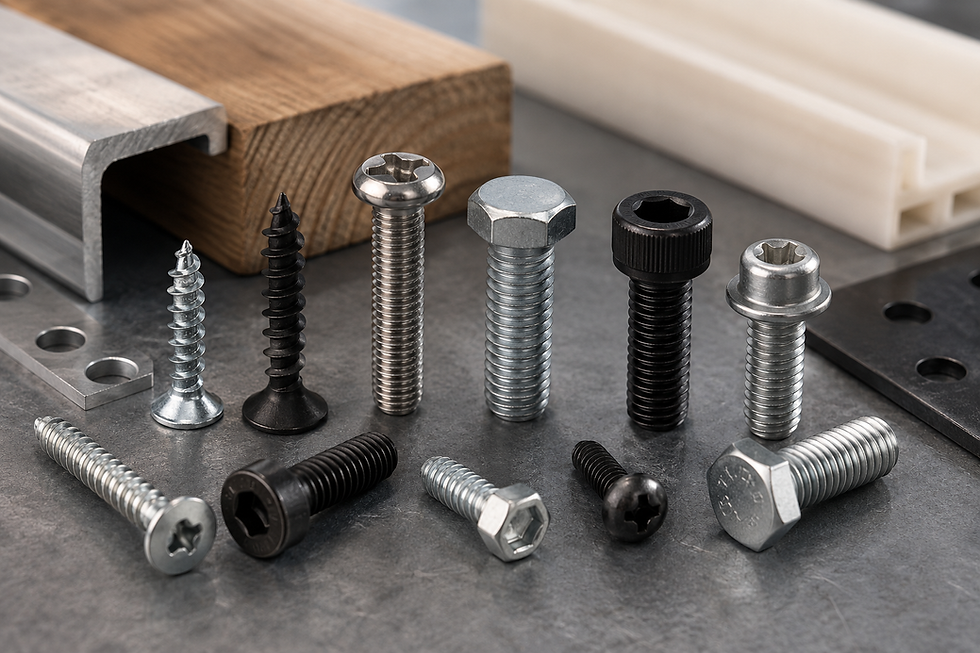
At first glance, a screw may seem like a simple component. However, selecting the right screw can make the difference between a secure, long-lasting assembly and a costly failure. Whether you're working in manufacturing, construction, aerospace, defense, or general industrial applications, choosing the proper fastener is critical to performance, safety, and durability.
At Main Source Distribution, we supply a wide range of industrial fasteners, including MS, NAS, metric, standard, custom-made, and hard-to-find fasteners designed to meet virtually any application requirement.
Start with the Application
The first step in selecting a screw is understanding what materials you're joining. Different applications require different fastener designs. A screw used in sheet metal will differ significantly from one used in plastic, wood, or high-strength industrial assemblies.
Consider the following:
What materials are being fastened?
Will the assembly experience vibration or movement?
Is the environment exposed to moisture, chemicals, or extreme temperatures?
How much load or stress will the fastener need to withstand?
Answering these questions helps narrow down the best fastener type for the job.
Choose the Right Material
Fastener material plays a major role in performance. Carbon steel fasteners provide excellent strength for many industrial applications, while stainless steel offers superior corrosion resistance in harsh environments. Specialized applications may require military-specification (MS) or aerospace-grade (NAS) fasteners for added reliability and compliance.
Consider Strength Requirements
Not all screws are created equal. Some applications require a fastener that can withstand heavy loads, vibration, or repeated stress.
Before choosing a screw, consider:
The weight of the components being fastened
Expected vibration or movement
Load-bearing requirements
Safety and compliance standards
For aerospace, defense, manufacturing, and other high-performance industries, specialty fasteners are often necessary to meet exact engineering specifications.
Length and Diameter
Using the wrong size screw can compromise the integrity of your assembly. A screw should be long enough to securely engage the materials being joined without extending too far beyond the connection point. Diameter is equally important, as larger diameters generally provide greater holding strength and load capacity.
Don't Overlook Thread and Head Design
Thread patterns affect how a screw grips and performs under load. Fine threads are often preferred for metal applications, while coarse threads may provide better holding power in softer materials.
Head style is also important. Countersunk heads sit flush with the surface, while pan, hex, and washer heads may be better suited for applications requiring increased clamping force or accessibility.
Partner with a Fastener Expert
With countless fastener options available, selecting the right screw isn't always straightforward. That's why many manufacturers and engineers rely on experienced suppliers who can help identify the best solution for their specific application.
Main Source Distribution offers an extensive inventory of industrial hardware and fasteners, along with specialty sourcing services for custom and hard-to-find components. Whether you need standard fasteners or highly specialized hardware, working with a knowledgeable supplier can save time, reduce costs, and improve performance.
The Bottom Line
The right screw is about more than simply holding parts together—it's about ensuring strength, reliability, and long-term success. By considering the application, material, size, thread design, and environmental conditions, you can select a fastener that performs exactly as intended and keeps your project moving forward.


Comments